Designing with Seamless Patterns of Colorful Circular Objects: A Guide to Texture, Contrast, and Modern Layouts
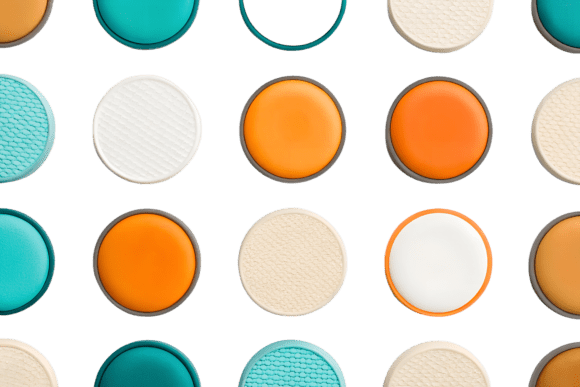
In the evolving landscape of digital design and surface pattern creation, the Seamless Pattern of Colorful Circular objects has emerged as a versatile and visually striking choice. This specific aesthetic combines geometric precision with organic texture, offering a modern solution for designers seeking balance between structure and vibrancy. Unlike flat, monochromatic repeats, this style leverages a black background to create high contrast, allowing elements in teal, orange, white, and beige to pop with immediate visual impact.
For professionals evaluating resources for branding, web backgrounds, or textile prints, understanding the nuances of this pattern type is essential. It is not merely about repeating shapes; it is about curating a collection of textured and smooth surfaces that interact dynamically within a flat lay or top view composition. This article explores the distinct characteristics of these patterns, compares them to alternative design approaches, and provides practical guidance on when and how to integrate them into your projects.
The Distinct Appeal of Textured Circles on Dark Backgrounds
The core strength of a Seamless Pattern of Colorful Circular objects lies in its ability to merge abstract geometry with tactile realism. While traditional geometric patterns often rely on uniform lines and solid fills, this approach introduces variety through surface treatment. Some circles may appear smooth and glossy, reflecting light like polished stone or plastic, while others exhibit a textured finish, reminiscent of fabric, concrete, or natural materials.
This interplay of material qualities adds depth to an otherwise two-dimensional graphic. The black background serves a critical functional role here. By eliminating visual noise, the dark canvas ensures that the vibrant colors—specifically the interplay of cool teal and warm orange alongside neutral white and beige—remain the focal point. This contrast is not just aesthetic; it enhances readability and visual hierarchy, making the pattern suitable for both decorative purposes and functional UI elements.
Furthermore, the circular shape is psychologically soothing and universally appealing. Unlike sharp angles, which can convey tension or aggression, round objects suggest continuity and harmony. When arranged in a repeating layout, they create a rhythm that guides the eye without demanding excessive cognitive load from the viewer.
Comparing Styles: Flat Lay vs. Traditional Geometric Repeats
When selecting a background or surface design, designers often choose between strict geometric grids and more organic, flat lay inspired compositions. Understanding the tradeoffs between these approaches helps in making an informed decision.
- Traditional Geometric Repeats: These patterns typically feature identical shapes aligned in precise rows and columns. While efficient and predictable, they can feel rigid or sterile. They are ideal for technical backgrounds or data visualization but may lack the emotional resonance required for lifestyle branding or creative portfolios.
- Seamless Pattern of Colorful Circular Objects: This style mimics a top view arrangement, where objects appear scattered yet balanced. The variation in size, texture, and color creates a sense of curated randomness. This approach feels more modern and clean, aligning well with contemporary design trends that favor authenticity and tactile diversity over perfect symmetry.
Another key comparison is between vector-based flat designs and raster-based textured patterns. Vector graphics offer infinite scalability and small file sizes, making them ideal for responsive web design. However, they often struggle to replicate complex textures realistically. The PNG File format used in high-quality circular patterns preserves the subtle gradients and surface details that define the textured look. While PNGs are larger and do not scale infinitely without quality loss, they provide a level of visual richness that vectors cannot easily match. For high-resolution prints or hero sections on websites, this tradeoff is often worth it.
Evaluating Use Cases: When to Choose This Pattern
Selecting the right design resource depends heavily on the intended application. The Seamless Pattern of Colorful Circular is not a one-size-fits-all solution, but it excels in specific contexts where visual interest and modern aesthetics are prioritized.
Ideal Applications
- Digital Backgrounds and Hero Sections: The black background provides excellent contrast for white or light-colored text, making it suitable for website headers, landing pages, or app interfaces. The vibrant accents draw attention without overwhelming the content.
- Packaging Design: For products targeting a youthful or creative demographic, the abstract and decorative nature of these patterns adds a premium feel. The mix of teal and orange can be tailored to match brand colors, while the texture suggests quality and attention to detail.
- Social Media Graphics: In feed layouts, where stopping power is crucial, the high-contrast and colorful nature of these circles helps posts stand out. The clean layout ensures that overlaid text remains legible.
- Textile and Surface Printing: When printed on fabrics or wallpapers, the seamless nature allows for continuous coverage without visible breaks. The variety in object size prevents the pattern from becoming monotonous over large areas.
Limitations and Considerations
Despite its strengths, this pattern style may not be suitable for every project. Designers should consider the following limitations:
- Readability Concerns: If the circular objects are too dense or brightly colored, they may compete with foreground text. It is essential to adjust opacity or use overlay layers to ensure content remains accessible.
- File Size and Performance: High-resolution PNG files with complex textures can be large. For web use, optimization is critical to maintain fast loading times. Consider using WebP formats if browser support allows, or compressing the PNG without sacrificing visible quality.
- Brand Alignment: The modern and vibrant aesthetic may clash with brands that rely on conservative, minimalist, or corporate identities. Always evaluate whether the playful nature of the colorful elements aligns with the brand’s voice.
Decision Factors: Texture, Color, and Composition
When evaluating different Seamless Pattern of Colorful Circular resources, focus on three key decision factors: texture fidelity, color harmony, and compositional balance.
Texture Fidelity: Examine the textured elements closely. Do they look authentic, or do they appear artificial? High-quality patterns will show subtle imperfections and lighting variations that mimic real-world materials. Poorly executed textures can look muddy or pixelated, detracting from the overall clean aesthetic.
Color Harmony: The combination of teal, orange, white, and beige is popular because it balances cool and warm tones. However, ensure that the specific shades complement your existing palette. Some patterns may lean heavily towards neon vibrancy, while others may use muted, pastel tones. Choose the variation that best supports your design’s mood.
Compositional Balance: Look at the layout of the objects. Is the distribution even, or does it cluster in certain areas? A well-designed seamless pattern should tile invisibly, meaning no obvious lines or repetitions should be visible when the image is repeated. Check the edges of the PNG File to ensure that circles cut off at one side continue seamlessly on the opposite side.
Integrating the Pattern into Your Workflow
To maximize the effectiveness of a Seamless Pattern of Colorful Circular design, consider these practical integration tips:
First, use masking techniques to control where the pattern appears. Instead of applying it as a full-page background, consider using it in specific sections, such as sidebars, footers, or behind call-to-action buttons. This targeted application maintains visual interest without causing fatigue.
Second, experiment with blending modes. In design software, setting the pattern layer to "Overlay" or "Soft Light" can integrate the textured circles more naturally with other background colors. This technique is particularly useful if you need to adapt the black background pattern to a lighter theme.
Finally, treat the pattern as a decorative element rather than the primary content. Its role is to enhance, not dominate. By keeping the surrounding design clean and minimal, you allow the vibrant colors and geometric shapes to serve their purpose as engaging visual anchors.
In conclusion, the Seamless Pattern of Colorful Circular objects offers a sophisticated blend of modern aesthetics and tactile depth. By understanding its strengths, comparing it to alternatives, and applying it strategically, designers can create impactful, visually rich experiences that resonate with contemporary audiences. Whether for digital interfaces or physical products, this pattern type provides a flexible and stylish foundation for creative expression.