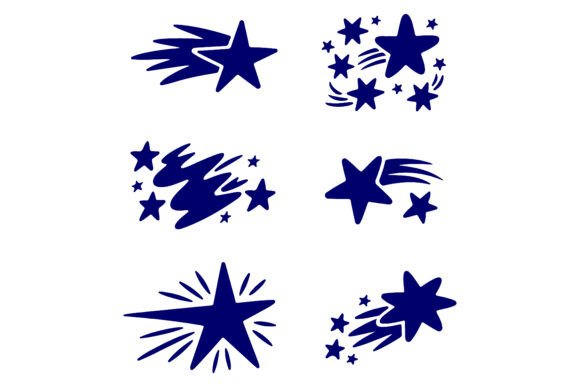
Halftone Star Design Element Guide
Visual texture has the power to transform a flat, two-dimensional layout into something that feels tactile and dynamic. Among the most versatile tools in modern graphic design is the halftone star design element. This specific asset combines the retro aesthetic of printed media with the clean precision of geometric shapes. By utilizing abstract decorative black halftone star textures on an isolated background, designers can create depth, movement, and focal points without overwhelming the viewer. Whether you are working on a high-energy concert poster, a minimalist brand identity, or a complex digital collage, understanding how to leverage these geometric circular shape elements can significantly elevate your final output.
Understanding the Halftone Aesthetic
At its core, a halftone is a technique that simulates continuous tone imagery through the use of dots, varying either in size or in spacing. Historically, this was a necessity in newspaper and magazine printing to reproduce photographs using only black ink. Today, it is a stylistic choice that evokes nostalgia, grit, and artistic flair. When applied to a star shape, the effect becomes particularly striking. The gradient created by the changing density of the circular dots draws the eye toward the center or the points of the star, creating a natural visual hierarchy.
The abstract decorative black halftone star textures discussed here are typically provided as vector files (EPS) and high-resolution raster images (JPG). This dual-format availability is crucial. The EPS format allows for infinite scalability without loss of quality, making it ideal for large-format printing like billboards or trade show banners. The JPG format offers immediate usability for web graphics, social media posts, or quick mockups where editing flexibility is less critical than speed.
Why Different Creators Value This Element
The appeal of the halftone star extends across various professional disciplines, but the reasons for its adoption vary significantly depending on the user’s goals and experience level.
For Professional Graphic Designers
Experienced designers often prioritize flexibility and integration. For them, a halftone star is not just a decoration; it is a compositional tool. They might use the isolated background feature to layer the star over photography, blending it using multiply or screen modes to create complex textures. The geometric nature of the pattern allows for precise alignment with other grid-based elements in a layout. Professionals value the EPS file because it enables them to recolor the dots to match specific brand palettes or adjust the node points to customize the star’s proportions.
For Marketing Entrepreneurs and Small Business Owners
Small business owners and marketers often operate under tight deadlines and limited budgets. For this audience, the primary value lies in speed and commercial readiness. An abstract design element that is already perfected saves hours of manual creation. They can drop the JPG version directly into an advertising campaign for a sale event, knowing that the high-contrast black-and-white scheme will stand out in a crowded social media feed. The "isolated background" aspect is vital here, as it ensures the asset works seamlessly on any colored backdrop without requiring advanced photo-editing skills to remove unwanted edges.
For Educators and Students
In educational settings, the halftone star serves as an excellent teaching aid for principles of pattern, contrast, and optical illusion. Educators can use these files to demonstrate how simple geometric circular shapes can create the illusion of shading and volume. For students, having access to both EPS and JPG formats provides a practical lesson in file management and the differences between vector and raster graphics. It allows them to experiment with scaling and resolution, reinforcing technical skills alongside creative exploration.
For Hobbyists and Collage Artists
Hobbyists, particularly those involved in digital collage or zine culture, appreciate the aesthetic authenticity of halftones. The gritty, textured look adds a handmade feel to digital projects. These users often mix the star element with torn paper textures, vintage photos, and handwritten typography. The abstract nature of the design means it does not dictate a specific theme, allowing for maximum creative freedom. For this group, the ease of use is paramount; they want an asset that looks compelling immediately, without needing extensive tweaking.
Practical Applications in Modern Design
Identifying whether this design element matches your project needs requires looking at the intended medium and message. Here are several practical scenarios where the halftone star excels:
- Poster Design: Use the star as a central focal point behind bold typography. The radial gradient of the halftone dots naturally guides the viewer’s eye toward the text, improving readability and impact.
- Advertising Campaigns: Incorporate the texture into background layers to add visual interest to otherwise plain promotional materials. The black-and-white contrast ensures legibility regardless of the surrounding colors.
- Digital Collages: Layer multiple stars of different sizes and opacities to create a sense of depth and movement. This technique works well for album covers or editorial illustrations.
- Packaging Design: Utilize the vector EPS file to create repeating patterns on product boxes. The geometric precision ensures that the pattern tiles seamlessly, creating a cohesive brand look.
Evaluating Quality and Usability
When selecting a halftone star design element, consider the following factors to ensure it meets your standards:
- File Integrity: Ensure the EPS file opens correctly in your preferred vector software (such as Adobe Illustrator or Affinity Designer) and that all paths are closed and editable.
- Resolution: For the JPG files, check that the resolution is sufficient for your intended use. Web usage may require 72 DPI, while print demands 300 DPI or higher to avoid pixelation.
- Isolation Quality: Verify that the background is truly transparent or pure white, depending on the file type. Poor isolation can lead to awkward halos around the star when placed on colored backgrounds.
- Scalability: Test the vector file by scaling it up significantly. A high-quality halftone pattern should remain crisp, with no jagged edges or broken dots.
Making the Right Choice for Your Workflow
Ultimately, the decision to use a pre-made halftone star design element comes down to balancing creativity with efficiency. For those who enjoy the technical process of building textures from scratch, creating custom halftones can be a rewarding exercise. However, for most professionals and creators, time is a valuable resource. Leveraging high-quality, ready-to-use assets allows you to focus on the broader conceptual aspects of your project.
Consider your current skill level and project constraints. If you are a beginner, starting with a polished JPG can help you achieve professional results quickly. As you grow more comfortable with design software, transitioning to the EPS format will unlock greater customization potential. Regardless of your expertise, the abstract decorative black halftone star remains a timeless component in the designer’s toolkit, offering a blend of retro charm and modern versatility that fits fit for poster, collage, or advertising contexts.
By understanding the unique benefits of these geometric circular shape elements, you can make informed decisions that enhance your visual communication. Whether you aim to evoke nostalgia, create dynamic movement, or simply add a touch of sophisticated texture, the halftone star provides a reliable and impactful solution.