Matcha Tea Vector Clip Art Collection: A Practical Guide for Designers and Creators
In the rapidly evolving landscape of digital design and print-on-demand commerce, visual assets serve as the cornerstone of brand identity and product appeal. For creators focusing on lifestyle, culinary, or wellness niches, the Matcha Tea Vector Clip Art Collection represents a specialized resource designed to bridge the gap between aesthetic charm and technical versatility. This bundle is not merely a set of images; it is a comprehensive toolkit tailored for sublimation, web design, and physical product creation. Understanding the specific utility of this collection requires an examination of its format diversity, resolution standards, and thematic coherence.
Understanding the Composition and Versatility
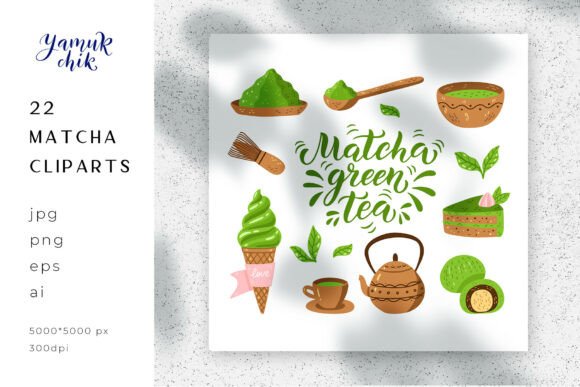
The core value of any digital asset bundle lies in its adaptability. The Matcha Tea Vector Clip Art Collection distinguishes itself by offering a multi-format approach that caters to both novice designers and seasoned professionals. The collection includes twenty-two distinct illustrations, each capturing a different facet of matcha culture. These range from the ritualistic elements, such as the bamboo whisk (chasen) and tea bowl (chawan), to modern culinary interpretations like matcha pancakes, mochi, and ice cream. By including a girl with a cup of matcha tea, the collection also introduces a human element, allowing for narrative-driven designs that resonate with target audiences on a personal level.
What makes this collection particularly robust is the inclusion of three primary file types: JPEG, PNG, and EPS/AI vectors. Each format serves a distinct purpose in the design workflow. The JPEG files, rendered at high resolution (300 dpi) and exceeding 5000 pixels in size, are ideal for quick previews or projects where transparency is not required. However, the true utility for most commercial applications lies in the PNG files. With transparent backgrounds, these images can be seamlessly integrated into complex compositions for t-shirt prints, tote bags, and mug designs without the need for manual background removal. This saves significant time and ensures clean edges, which is critical for professional-quality sublimation printing.
Vector vs. Raster: Evaluating the Technical Advantage
When comparing the Matcha Tea Vector Clip Art Collection to standard raster-only bundles, the inclusion of EPS and AI vector files offers a decisive advantage for scalability. Raster images (JPEG and PNG) are composed of pixels, meaning they can lose quality when enlarged beyond their original dimensions. In contrast, vector files use mathematical paths to define shapes, allowing them to be scaled infinitely without any loss of clarity. This feature is indispensable for large-format printing, such as banners, posters, or packaging designs, where pixelation would otherwise compromise the visual integrity of the artwork.
Furthermore, the vector format provides unparalleled flexibility in customization. Designers can recolor individual elements within the clip art to match specific brand palettes or seasonal themes. For instance, the matcha powder or tea leaves can be adjusted to reflect different shades of green, or the accompanying quotes can be edited to suit various marketing messages. This level of editability transforms static images into dynamic design components, enabling creators to produce unique variations from a single source file. For those working in Adobe Illustrator or similar vector-based software, the included AI file consolidates all clip arts into a single, manageable document, streamlining the workflow for extensive design projects.
Application Scenarios: From Sublimation to Web Design
The practical application of this clip art bundle extends across multiple industries and mediums. In the realm of print-on-demand, the high-resolution PNGs are perfectly suited for sublimation on hard goods. Items such as ceramic mugs, phone cases, and notebook covers benefit from the crisp lines and vibrant colors inherent in the 300 dpi files. The cute illustration style appeals to a broad demographic, particularly among matcha lovers and enthusiasts of Japanese culture, making these designs highly marketable on platforms like Etsy, Shopify, or Amazon Merch.
Beyond physical products, the Matcha Tea Vector Clip Art Collection is equally effective for digital media. Web designers can utilize the transparent PNGs to create engaging headers, blog post featured images, or social media graphics. The aesthetic consistency of the collection ensures that various digital touchpoints maintain a cohesive look and feel. Additionally, the vector files are ideal for packaging design, where precise scaling and color accuracy are paramount. Whether designing labels for matcha powder containers, menus for cafes, or promotional cards, the ability to manipulate vector paths ensures that the final output meets professional printing standards.
Comparative Analysis: When to Choose This Bundle
While numerous clip art resources exist online, selecting the right one depends on specific project requirements. Generic stock photo libraries often lack the thematic depth and stylistic unity found in specialized bundles like this one. If a designer needs a cohesive set of matcha-related imagery that shares a consistent artistic voice, purchasing a curated collection is more efficient than sourcing individual images from disparate providers. This consistency reduces the time spent on editing and harmonizing different styles, allowing for faster project turnaround.
However, it is important to recognize the limitations. This collection is tailored specifically to the "cute" or illustrative style. For projects requiring photorealistic imagery or a minimalist, abstract aesthetic, this bundle may not be the optimal choice. Designers should evaluate their brand identity and target audience before committing. If the goal is to convey a sense of warmth, approachability, and artisanal charm, the illustrative nature of these clip arts is a strong fit. Conversely, for corporate or ultra-modern branding, a different stylistic approach might be necessary.
Another consideration is the learning curve associated with vector files. While JPEGs and PNGs are universally compatible with most image programs, utilizing the full potential of the EPS and AI files requires familiarity with vector editing software. For users who only intend to perform simple drag-and-drop operations, the raster files will suffice. However, for those willing to invest time in learning basic vector manipulation, the long-term benefits of scalability and editability far outweigh the initial effort.
Decision Factors for Professional Use
When evaluating the Matcha Tea Vector Clip Art Collection for commercial use, several key factors should guide the decision-making process. First, consider the resolution requirements of your intended medium. For digital-only use, lower resolutions may be acceptable, but for print sublimation, the 300 dpi standard provided in this bundle is essential for achieving sharp, professional results. Second, assess the need for customization. If your projects require frequent color changes or text edits, the vector formats are non-negotiable. Finally, evaluate the breadth of the content. With twenty-two unique illustrations covering various aspects of matcha consumption and preparation, this bundle offers sufficient variety to support a wide range of design concepts without becoming repetitive.
In conclusion, the Matcha Tea Vector Clip Art Collection serves as a versatile and high-quality resource for designers operating in the lifestyle and culinary sectors. Its combination of high-resolution raster files and editable vector formats provides the flexibility needed for both digital and print applications. By understanding the technical distinctions between file types and aligning them with specific project goals, creators can maximize the value of this bundle. Whether designing for sublimation products, web interfaces, or packaging, this collection offers a balanced solution that prioritizes quality, adaptability, and aesthetic coherence.