Strategic Application of Traditional Arabian Pattern and Eastern Decorative Motifs
In the landscape of modern visual communication, the choice of design elements is rarely just an aesthetic decision; it is a strategic one. The Traditional Arabian Pattern, often categorized under the broader umbrella of Eastern Dec (Eastern Decoration), represents more than mere ornamentation. It embodies centuries of mathematical precision, cultural heritage, and artistic discipline. For entrepreneurs, marketers, and creators, integrating these intricate designs into branding, product packaging, or digital interfaces can significantly elevate perceived value and brand authority. However, the effectiveness of this approach depends entirely on intentional application rather than random decoration.
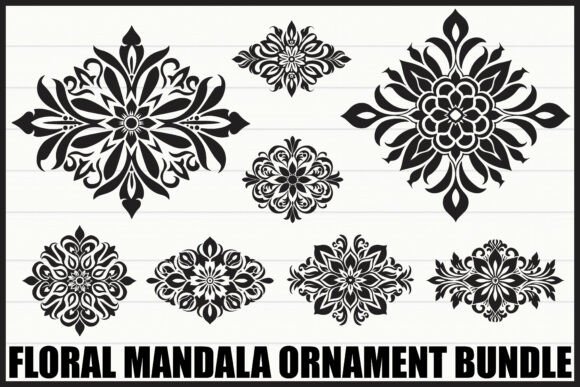
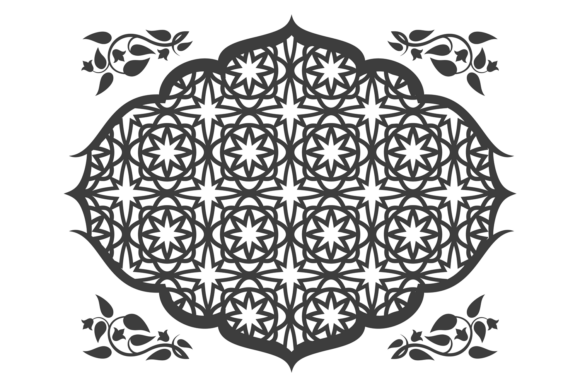
When we discuss the Traditional Arabian Pattern, we are referring to complex geometric tessellations, arabesque floral motifs, and calligraphic integrations that define Islamic art. These patterns are not static images; they are systems of order and infinity. Utilizing an Eastern decorative ornate motif isolated on white background provides a versatile asset for designers. Whether sourced as EPS, JPG, SVG, or transparent PNG files, these vectors allow for scalable, high-fidelity integration across various media. The strategic value lies in how these elements communicate sophistication, heritage, and attention to detail to your target audience.
Understanding the Strategic Value of Eastern Ornamentation
The primary reason to consider Traditional Arabian Pattern in your visual strategy is its ability to convey luxury and trust without relying on overt messaging. In psychology, complex, symmetrical patterns are often associated with stability and high craftsmanship. When a consumer encounters a brand utilizing authentic Eastern Dec elements, the subconscious association is one of established quality. This is particularly relevant for industries such as hospitality, high-end retail, jewelry, and premium food services.
Furthermore, the versatility of having an Eastern decorative ornate motif isolated on white background cannot be overstated. Isolation on white ensures that the motif can be seamlessly layered over different color palettes, textures, and photographic backgrounds. This flexibility supports consistent branding across diverse touchpoints. For instance, a transparent PNG version allows for overlay on dark website headers, while an SVG format ensures crisp rendering on large-format print materials like billboards or trade show displays. The availability of multiple formats (EPS, JPG, SVG, PNG) empowers teams to maintain visual integrity regardless of the medium.
Aligning Design Choices with Brand Positioning
Before deploying any Traditional Arabian Pattern, it is crucial to audit your brand’s core values. Does your brand narrative align with themes of heritage, precision, luxury, or cultural connectivity? If your brand positions itself as minimalist, ultra-modern, or disruptive, heavy ornate motifs may create cognitive dissonance. However, if your goal is to evoke warmth, tradition, or exclusivity, these patterns serve as powerful semiotic tools.
Consider the context of your audience. For markets in the Middle East, North Africa, or among diaspora communities, authentic use of Eastern Dec demonstrates cultural respect and relevance. It signals that the brand understands and honors local aesthetics. For global audiences, these patterns offer an exotic yet refined appeal, differentiating your brand from competitors who rely on generic Western minimalism. The key is authenticity. Using a poorly constructed or culturally inaccurate motif can backfire, appearing as appropriation rather than appreciation. Therefore, sourcing high-quality, historically informed vectors is a non-negotiable step in your planning process.
Practical Applications Across Media and Channels
The utility of an Eastern decorative ornate motif isolated on white background extends far beyond simple background fills. Strategic deployment requires thinking about hierarchy and focus. Here are several practical scenarios where these patterns drive results:
- Packaging Design: Use subtle Traditional Arabian Pattern elements as embossed textures on premium product boxes. The tactile experience combined with visual intricacy enhances unboxing experiences, encouraging social sharing and perceived value.
- Digital User Interfaces: Incorporate SVG versions of arabesque motifs as subtle dividers or section backgrounds on websites. Ensure low opacity to maintain readability. This adds depth and elegance without compromising user experience or load times.
- Corporate Collateral: Apply these motifs to business cards, letterheads, and presentation decks. A border or corner element in gold foil stamping using an Eastern Dec pattern can transform standard stationery into a memorable brand touchpoint.
- Environmental Branding: For physical spaces like restaurants, hotels, or retail stores, large-scale prints of these patterns on walls or partitions create immersive atmospheres. The geometric nature of the patterns can also guide foot traffic or define zones within a space.
Each application requires careful consideration of scale and color. A motif that works beautifully as a small icon may become overwhelming when scaled up. Conversely, a detailed pattern may lose its impact if shrunk too small. Testing variations using the available file formats (JPG for quick previews, EPS/SVG for final production) is essential for optimal outcomes.
Risks of Unintentional or Context-Free Usage
While the aesthetic appeal of Traditional Arabian Pattern is undeniable, misuse can lead to significant strategic errors. One common pitfall is "pattern clutter." Overusing ornate motifs without sufficient negative space can overwhelm the viewer, obscuring the primary message or call to action. Design must serve communication, not hinder it. If the decoration competes with the content, the result is visual noise rather than enhanced engagement.
Another risk is cultural insensitivity. Eastern Dec is deeply rooted in specific religious and cultural traditions. Using sacred geometric patterns or calligraphy in inappropriate contexts (such as casual or disrespectful advertising) can offend audiences and damage brand reputation. It is imperative to understand the origin and meaning of the specific motifs you choose. Consulting with cultural experts or designers familiar with Islamic art history can mitigate this risk.
Additionally, relying on low-resolution JPGs instead of vector formats (SVG, EPS) can result in pixelation and poor print quality. This reflects poorly on brand professionalism. Always prioritize vector-based assets for scalability and clarity. The availability of transparent PNGs is useful for web compositing, but vectors remain the gold standard for professional design workflows.
Decision-Making Framework for Integrating Eastern Motifs
To ensure that your use of Traditional Arabian Pattern drives tangible results, adopt a structured decision-making framework. Start by defining the objective: Are you aiming to increase perceived luxury, connect with a specific cultural demographic, or differentiate from competitors? Once the goal is clear, evaluate the fit. Does the pattern complement your existing brand identity, or does it clash?
Next, consider the technical execution. Choose the right file format for the channel. Use SVGs for web and digital interfaces to ensure responsiveness and fast loading. Use EPS or high-resolution JPGs for print production. Test the motif against various backgrounds to ensure visibility and contrast. Remember that an Eastern decorative ornate motif isolated on white background offers maximum flexibility, allowing you to adapt the color and opacity to suit specific campaign needs.
Finally, measure the impact. Monitor engagement metrics, customer feedback, and sales data related to campaigns featuring these design elements. Did the new packaging increase shelf appeal? Did the website redesign improve time-on-page? Data-driven insights will inform future iterations and help refine your visual strategy.
Long-Term Brand Equity and Cultural Connection
Investing in high-quality, authentic design assets like Traditional Arabian Pattern contributes to long-term brand equity. Consistent use of distinctive visual elements builds recognition and loyalty. Over time, these patterns become synonymous with your brand, creating a unique visual language that resonates with your audience. This is particularly valuable in crowded markets where differentiation is challenging.
Moreover, embracing Eastern Dec can foster deeper connections with diverse communities. It signals inclusivity and cultural awareness, which are increasingly important values for modern consumers. Brands that demonstrate respect for cultural heritage through thoughtful design are often rewarded with stronger customer relationships and positive word-of-mouth.
In conclusion, the Traditional Arabian Pattern is a powerful tool in the designer’s arsenal, but only when used with intention and strategic foresight. By understanding its cultural significance, leveraging its technical versatility (EPS, JPG, SVG, transparent PNG), and aligning it with clear business goals, you can create impactful visual experiences that drive engagement and build lasting brand value. Avoid random decoration; instead, embrace purposeful design that communicates sophistication, heritage, and quality.