Integrating Collection Classic Lace Borders into Professional Design Workflows
In the realm of digital design and physical crafting, the distinction between a functional layout and a compelling visual experience often lies in the details. Collection Classic Lace Borders serves as a critical resource for designers, crafters, and entrepreneurs who require high-quality, versatile decorative elements to elevate their projects. Whether you are developing wedding invitations, designing textile patterns, or creating digital assets for social media, the integration of ornate borders requires more than just aesthetic appreciation; it demands a strategic approach to file management, compatibility, and workflow efficiency.
This article explores how to effectively incorporate these lace border assets into your creative process. By understanding the technical specifications and practical applications of this collection, you can streamline your production timeline, ensure consistent quality across various mediums, and maximize the utility of your design resources.
Understanding the Asset Structure and File Compatibility
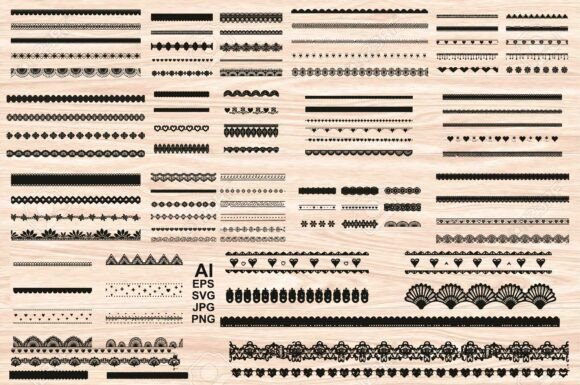
Before implementing any design element, it is essential to understand the technical foundation of the assets you are using. The Collection Classic Lace Borders and the accompanying Collection of Black Lace Borders and Decorative Elements are not merely static images; they are comprehensive vector bundles designed for multi-platform usability. The bundle includes five distinct file formats: JPG, PNG, AI, EPS, and SVG, all compressed into a single ZIP file.
For professionals working in Adobe Illustrator or CorelDRAW, the AI and EPS files are indispensable. These vector formats allow for infinite scalability without loss of resolution, ensuring that your filigree and scallop details remain crisp whether printed on a business card or a large-format banner. The SVG format is particularly valuable for web developers and UI designers who need lightweight, code-friendly graphics that retain clarity on high-density displays.
Conversely, raster formats like JPG and PNG serve different purposes within the workflow. PNG files, with their transparent backgrounds, are ideal for quick compositing in Photoshop or Canva, allowing designers to layer decorative elements over photographs or textured backgrounds without extensive masking. JPGs are suitable for web previews or situations where transparency is not required. To access these files, users must extract the ZIP archive using standard tools like WinZip, WinRAR, or the native extraction features of modern operating systems. Proper organization of these folders at the outset prevents workflow bottlenecks later in the project lifecycle.
Strategic Application in Print and Digital Media
The versatility of Collection Classic Lace Borders allows for seamless integration into both print and digital workflows. In the context of event planning and stationery design, these assets are pivotal for creating a romantic and feminine atmosphere. Wedding invitations, save-the-date cards, and celebration menus benefit significantly from the ornate and vintage aesthetics provided by the black and white lace patterns.
When preparing files for print, utilizing the vector formats (AI/EPS) ensures that the fine lines of the lace trim do not pixelate. Designers should pay attention to the stroke weights and ensure that the black ink values are set correctly for the specific printing method, whether it be offset, digital, or letterpress. The seamless nature of some patterns in the collection allows for the creation of continuous borders or background textures, which can be tiled efficiently in design software to cover larger areas without visible接缝 (seams).
In digital marketing and web design, the SVG and PNG formats take precedence. Here, the focus shifts to load times and responsiveness. Using SVGs for graphic illustrations of lace borders ensures that the visuals remain sharp on retina displays while keeping file sizes minimal. These elements can be used to frame call-to-action buttons, separate content sections, or add a touch of elegance to email newsletters. The delicate nature of the designs helps to soften the rigid structure of web layouts, enhancing user engagement through visual appeal.
Enhancing Craft and DIY Projects
Beyond professional graphic design, this collection is a valuable asset for hobbyists and small business owners involved in scrapbooking, card making, and textile crafts. The silhouette vector bundle aspect of the collection allows users to import designs directly into cutting machine software such as Cricut Design Space or Silhouette Studio. This capability transforms digital files into physical embellishments.
For those working with fabric or paper, the cutout potential of these designs is immense. Users can create intricate ribbon effects, floral accents, and geometric patterns that would be time-consuming to draw by hand. The precision of vector files ensures that cutting machines follow the paths accurately, resulting in clean edges and professional-looking finishes. This integration of digital assets into physical crafting bridges the gap between traditional handmade aesthetics and modern technological efficiency.
Furthermore, the texture and detail inherent in the lace designs provide a rich visual language for mixed-media projects. Artists can use these elements as stencils for painting, embossing, or laser cutting. The black and white contrast offers a classic look that pairs well with various color palettes, allowing creators to maintain a cohesive brand identity or personal style across different projects.
Workflow Optimization and Quality Control
Integrating Collection Classic Lace Borders into a regular workflow requires attention to organization and consistency. Establishing a standardized library of assets saves time during the initial phases of project planning. By categorizing files based on style—such as hearts, floral, or geometric—designers can quickly locate the appropriate element without disrupting their creative flow.
Quality control is another critical aspect. When using raster images (JPG/PNG), always verify the resolution requirements for the intended output. For web use, 72 DPI is standard, but for print, 300 DPI or higher is necessary to avoid blurriness. Vector files eliminate this concern but require careful handling of layers and groups within illustration software to ensure that individual elements can be edited or colored as needed.
Consistency in design is achieved by reusing specific border styles across related materials. For instance, if a vintage lace border is used on a wedding invitation, the same or complementary elements should be used on the RSVP card, menu, and place cards. This creates a unified visual narrative that enhances the perceived value of the final product. The repeat patterns in the collection facilitate this consistency by allowing designers to extend borders seamlessly across different dimensions.
Long-Term Value and Versatility
The true value of a design asset lies in its longevity and adaptability. Collection Classic Lace Borders is designed for long-term use, offering a timeless aesthetic that transcends fleeting trends. The ornamental and classic nature of lace ensures that these elements remain relevant for years, making them a worthwhile investment for any design toolkit.
Moreover, the ability to use these designs for any purpose provides flexibility for entrepreneurs and freelancers. Whether creating products for sale, marketing materials for clients, or personal projects, the licensing freedom allows for unrestricted creativity. This versatility supports a wide range of industries, from fashion and textiles to publishing and event planning.
In conclusion, the effective use of Collection Classic Lace Borders involves more than simple insertion into a layout. It requires an understanding of file formats, a strategic approach to application across different media, and a commitment to organizational best practices. By integrating these high-quality vector and raster assets into your workflow, you can enhance the visual impact of your projects, improve efficiency, and deliver professional results that resonate with your audience. The combination of delicate aesthetics and robust technical functionality makes this collection an essential tool for modern creators.