Integrating Flower Line Art SVG Elements into Professional Design Workflows
In the modern digital design landscape, efficiency and aesthetic consistency are paramount. Whether you are a freelance graphic designer, a small business owner creating marketing materials, or a hobbyist crafting personalized gifts, the quality of your assets directly influences the perceived value of your final product. Flower Line Art Flower SVG Elements represent more than just decorative clipart; they are versatile, scalable building blocks that can streamline your creative process. By understanding how to effectively integrate these botanical illustrations into your workflow, you can reduce production time while maintaining a high standard of visual elegance.
The appeal of floral line art lies in its minimalism and adaptability. Unlike complex, full-color photographs or heavily textured illustrations, line art relies on clean strokes and negative space. This simplicity makes it an ideal choice for a wide range of applications, from wedding invitations to brand identity packages. However, simply downloading a file is not enough. To truly leverage these resources, one must understand the technical specifications, file compatibility, and strategic placement within a broader design project.
Understanding the Asset Collection and File Formats
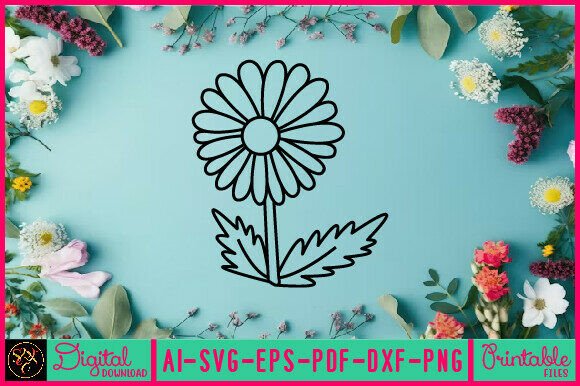
Before incorporating any digital asset into a project, it is crucial to understand what you are working with. A comprehensive collection of floral line art with branch elements typically includes a diverse array of components: hand-drawn floral wreaths, individual flower sketches, botanical leaves, curly grass accents, and calligraphic frames. The strength of such a collection is its modularity. You are not limited to using pre-made compositions; instead, you can deconstruct and reassemble these elements to create unique designs tailored to specific client needs or personal projects.
The technical delivery of these assets is equally important. High-quality collections are usually provided in a compressed ZIP file, containing multiple formats to ensure compatibility across different software ecosystems. Common formats include:
- SVG (Scalable Vector Graphics): The gold standard for web design and modern cutting machines. SVGs remain crisp at any size, making them perfect for responsive websites and large-format prints.
- AI (Adobe Illustrator): Ideal for professional designers who need to edit anchor points, adjust stroke weights, or modify the structure of the hand-drawn sketches directly within the Adobe ecosystem.
- EPS (Encapsulated PostScript): A universal vector format compatible with most professional design software, including CorelDRAW and older versions of Illustrator.
- PDF (Portable Document Format): Useful for quick previews, printing proofs, or importing into layout software like Adobe InDesign.
- PNG (Portable Network Graphics): Raster files with transparent backgrounds, essential for users who do not have vector editing software but need high-quality images for digital mockups or social media graphics.
- DXF (Drawing Exchange Format): Specifically designed for CAD software and certain cutting machines, ensuring precision for physical production.
Upon purchasing or downloading these resources, the first step in your workflow should be organization. Extract the ZIP file using reliable software such as WinZIP, WinRAR, or the built-in extraction tools in your operating system. Create a dedicated folder structure on your drive or cloud storage. Categorize files by type (e.g., "Wreaths," "Individual Blooms," "Leaves") rather than keeping them in a single cluttered directory. This preparation phase saves significant time during the actual design process, allowing you to locate the specific botanical leaf or hand drawn curly grass element you need without disruption.
Strategic Implementation in Design Projects
The utility of Flower Line Art Flower SVG Elements extends across various stages of a project. They can serve as the foundational structure of a design, subtle background textures, or focal points that draw the viewer’s eye. Understanding where these elements fit in your creative timeline helps maximize their impact.
Pre-Production and Conceptualization
During the brainstorming phase, line art assets are invaluable for rapid prototyping. Because they are lightweight and easy to manipulate, you can quickly test different layouts for wedding invitations, branding kits, or packaging designs. For instance, if you are designing a brand identity for a natural skincare line, you might experiment with various vintage summer plants and garden flowers set combinations to establish a mood board. The clean lines allow you to focus on composition and balance without being distracted by color palettes or complex shading.
Execution and Customization
Once the concept is approved, the execution phase begins. This is where the versatility of vector files shines. If you are using Adobe Illustrator or similar software, you can ungroup the hand drawn sketch branches and adjust the stroke width to match your brand’s typography. Perhaps the default line weight is too thin for a large banner; with vector files, you can scale the thickness uniformly without losing quality. This level of control ensures that the floral line art feels bespoke rather than generic.
For those using cutting machines like Cricut or Silhouette, the SVG and DXF files are critical. These formats preserve the path data necessary for precise cutting. When creating physical products such as paper lace invitations, wooden signs, or vinyl decals, ensure that your design software is set to recognize the layers correctly. Simplifying complex botanical element clusters may be necessary to prevent cutting errors, a process that is far easier with editable vector files than with static images.
Post-Production and Quality Control
After assembling your design, quality control is essential. Check for overlapping paths in your vector files, which can cause issues during printing or cutting. Ensure that all flowers sketches and leaves are properly aligned and that the overall composition maintains visual harmony. If you are delivering files to a client or a print shop, provide both the editable source files (AI/EPS) and the final output files (PDF/PNG) to accommodate different use cases. This professionalism enhances your reputation and ensures that the flower and leaves design collection is used exactly as intended.
Enhancing Workflow Efficiency and Consistency
Integrating a standardized set of assets like Flower Line Art Flower SVG Elements into your regular workflow promotes consistency across multiple projects. For agencies or freelancers managing multiple clients, having a library of trusted, high-quality botanical illustrations reduces the time spent searching for new assets for every job. It allows you to develop a signature style that clients come to recognize and appreciate.
Moreover, these elements interact seamlessly with other design tools. You can combine calligraphic flourishes with modern sans-serif typography to create a contrast that feels both contemporary and timeless. Layering decorative floral pictures over textured backgrounds in Photoshop can add depth and interest to digital advertisements. The key is to treat these assets not as standalone decorations, but as integral components of a cohesive visual narrative.
Consider the long-term usability of these files. Vector formats are future-proof; they will remain editable and scalable regardless of technological advancements in display resolution or printing technology. Investing time now to organize and understand your botanical line art floral leaves and plants library pays dividends in future projects. You can easily update old designs by swapping out specific elements or adjusting colors to match new trends, extending the lifecycle of your creative work.
Practical Tips for Best Results
To get the most out of your Flower Line Art Flower SVG Elements, keep the following practical tips in mind:
- Maintain Proportion: When resizing elements, hold the shift key to maintain aspect ratio. Distorting hand-drawn sketches can make them look unnatural and unprofessional.
- Limit Complexity: While the collection may offer intricate details, sometimes less is more. Use simple floral line art for small-scale items like business cards to ensure clarity.
- Check Licensing: Always review the license agreement associated with your download. Understand whether the assets can be used for commercial projects, resold, or modified, to avoid legal issues.
- Backup Your Library: Store your extracted ZIP contents in multiple locations, such as an external hard drive and a cloud service. Losing access to your core asset library can halt production unexpectedly.
- Experiment with Layering: Do not be afraid to overlap hand drawn flower illustrations with text or other graphics. Using opacity masks or blending modes can create sophisticated, layered effects that elevate the design.
In conclusion, Flower Line Art Flower SVG Elements are powerful tools for anyone involved in visual creation. By approaching these assets with a strategic mindset—focusing on organization, compatibility, and thoughtful integration—you can enhance your productivity and elevate the quality of your output. Whether you are designing a delicate wedding invitation or a bold brand logo, these botanical elements provide the flexibility and elegance needed to succeed in a competitive creative environment.